Bangla QR Explained: The National QR Standard Revolutionizing Payments
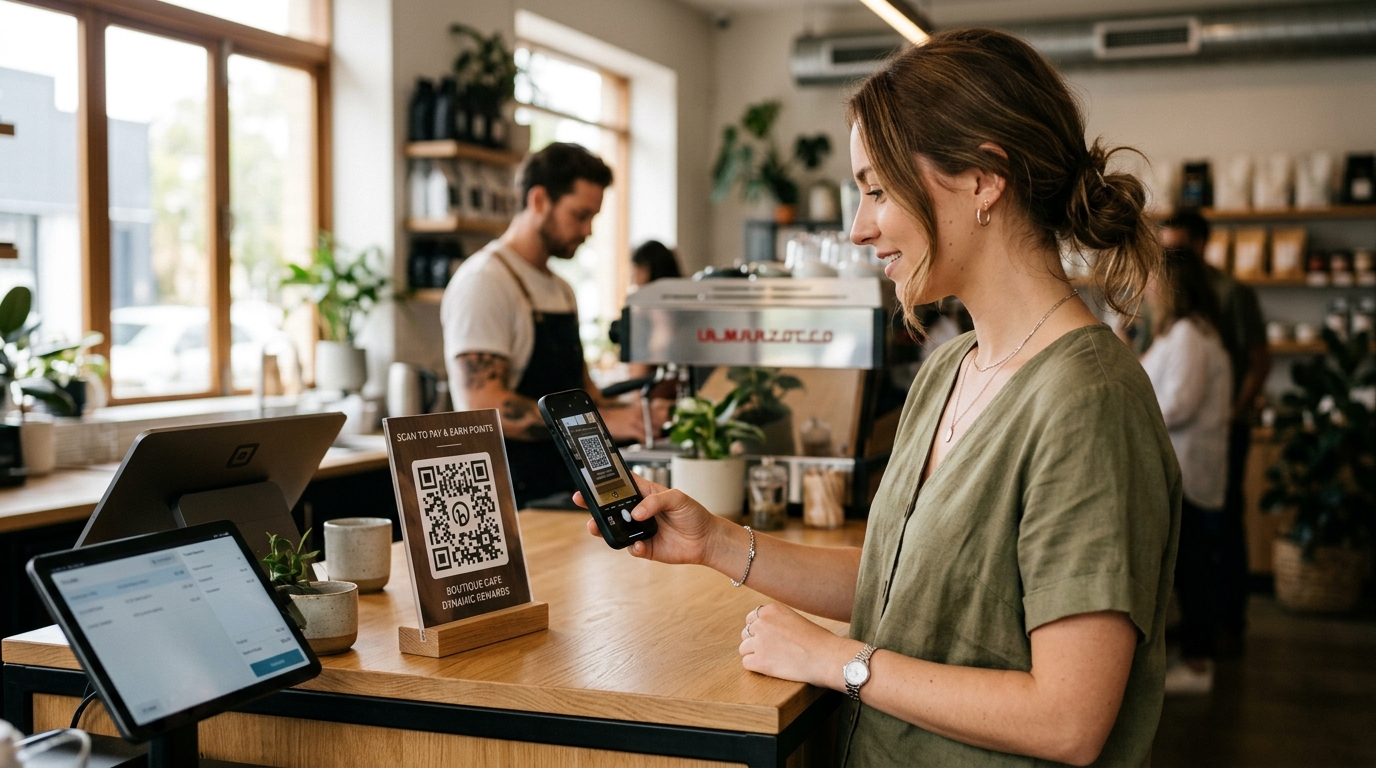
Until recently, a merchant in Bangladesh had to display four different physical or digital QR codes: one for bKash, one for Nagad, one for City Bank, and another for DBBL. Bangladesh Bank changed the game with Bangla QR ??? an interoperable national standard based on EMVCo specifications.
Bangla QR is Bangladesh Bank's interoperable financial QR code standard. Rather than locking merchants into a single provider's walled garden, any customer with any participating bank app or MFS wallet can scan a single Bangla QR code to settle payment.
Currently, more than 25 commercial banks and major MFS providers support Bangla QR, including:
There are two types of Bangla QR implementations:
| Feature | Static Bangla QR | Dynamic Bangla QR (FuturePay) |
|---|---|---|
| Amount Encoding | Buyer must manually type the BDT amount. | Pre-encoded with exact order invoice total. |
| Order Reference | Generic merchant ID only. | Unique Trx ID embedded for auto-matching. |
| Customer Errors | High (wrong amount, mistyped references). | Zero (locked amount, auto-reconciliation). |
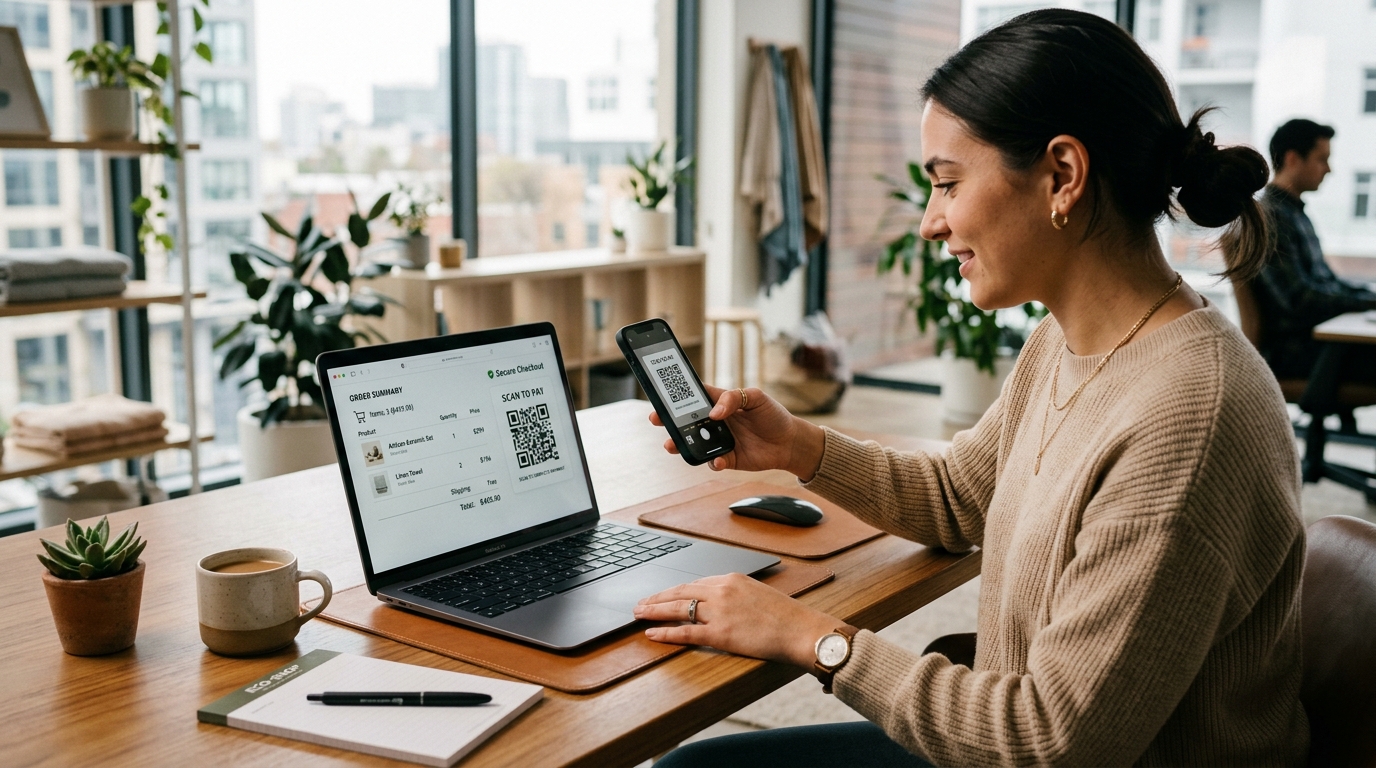
When a merchant integrates FuturePay's dynamic Bangla QR, the checkout generates an on-the-fly QR code for the specific invoice. As soon as the customer confirms the payment in their bank app, their bank dispatches an instant credit alert SMS to your merchant phone SIM.
FuturePay captures this bank SMS within 1.5 seconds, matches the exact amount and reference against active sessions, and fires a webhook to complete the order. No customer transaction forms are required.
Zero transaction cuts. Sub-second SMS synchronization. Compatible with bKash, Nagad, Rocket, Upay, and dynamic Bangla QR.